O Mother: Life writing and the search for the irretrievable
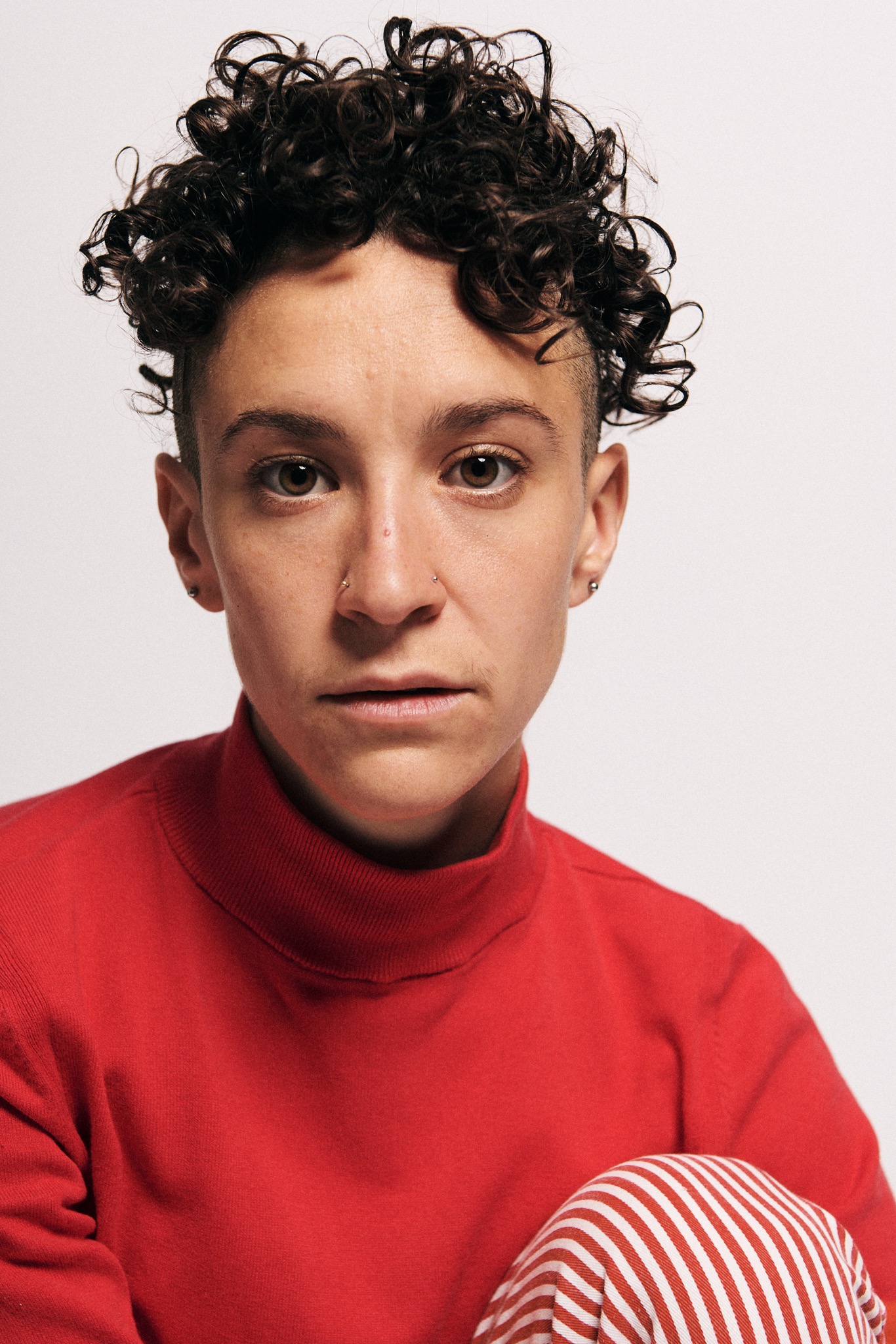
In summer 2024, Sandra Hetzl, a writer and prolific translator of contemporary Arabic literature, travelled to Turkey in search of the biological mother she had never met: Selma Yılma, a former so-called “gastarbeiter” who left Germany and returned home, where she later died. Hetzl was armed with the only one of her mother’s belongings in her possession: a copy of Shams al-Maarif al-Kubra, or The Sun of Great Knowledge, a 13th-century Arabic compendium of enchantments, talismans, instructions for summoning demons and spells to bring the dead back to life.
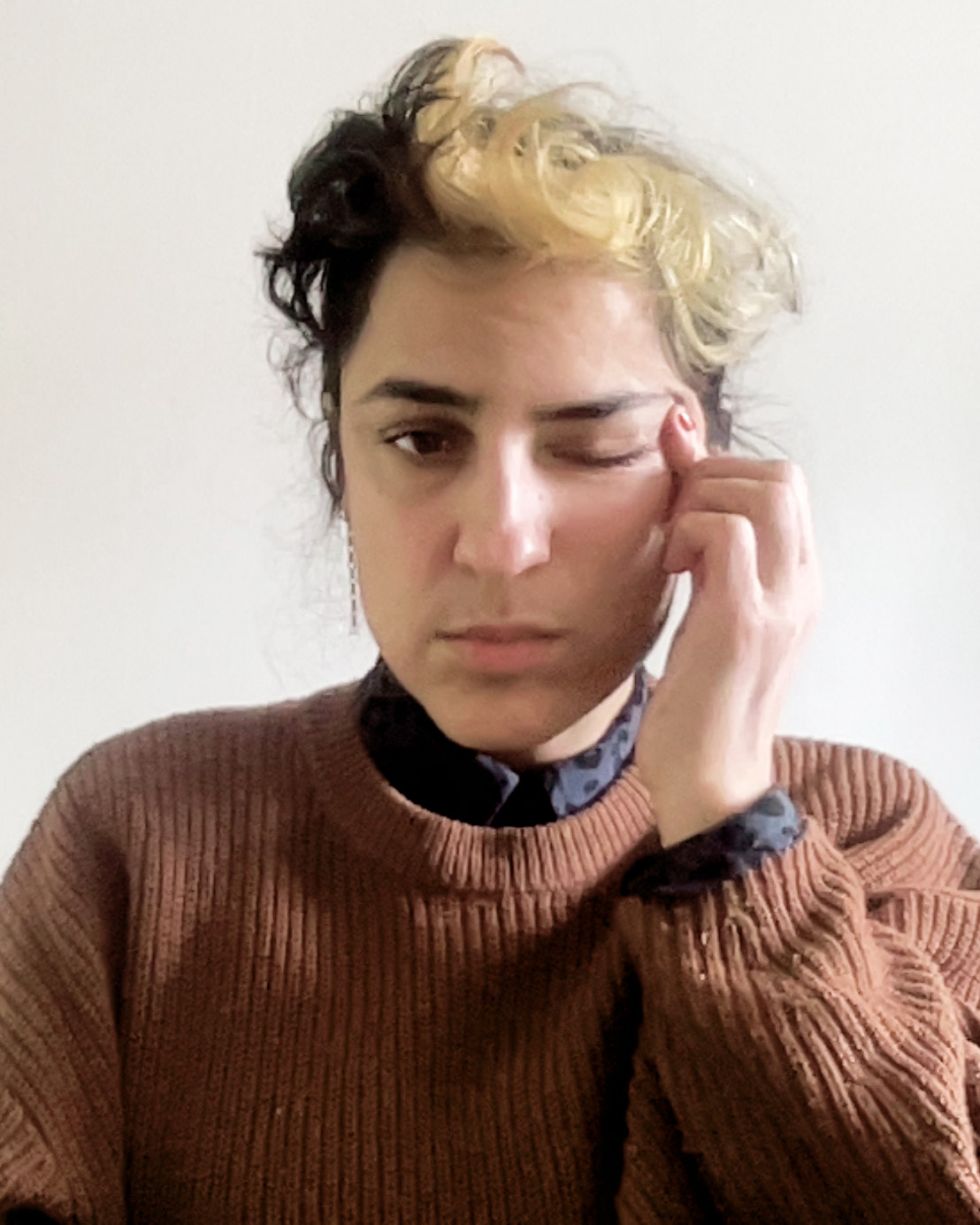
Artist emet ezell spent the following summer, 2025, in their ancestral home of Sabile, Latvia, the town from which their grandfather’s family was deported in May 1915. ezell had been commissioned to exhibit their art in the synagogue their great-grandparents once attended, which was looted and damaged during the campaign of ethnic cleansing and now converted into Sabile’s Arts and Culture Center.
In this evening of readings and conversation, ezell will read from their essay ‘The Artist Does Not Believe in Healing,’ which reflects on the process of putting together that exhibition, while Hetzl will read excerpts from Looking for Selma, the book manuscript that recounts her ongoing search for her mother, translated into English by Ayça Türkoǧlu. With Tomer Dotan-Dreyfus, Hetzl and ezell will discuss life writing and the (im)possibility of return, retrieval and healing. How past is the past, and what does the mother have to do with it?
An evening of readings and conversation addressing potential futures between the river and the sea, curated by Abdalrahman Alqalaq, Katharine Halls and Tomer Dotan-Dreyfus.
Sandra Hetzl writes prose, essays and songs, makes music and translates contemporary Arabic literature. In the summer of 2024, she was a fellow at the Tarabya Cultural Academy in Istanbul where she worked on her forthcoming book. Her texts have appeared in numerous anthologies and journals and in 2022, Transcript Verlag published the anthology In der Zukunft schwelgen, which she co-edited, featuring literary essays from West Asia and North Africa. Her translations include works by Haytham El-Wardany, Rasha Abbas, Mohammad Al-Attar, Kadhem Khanjar, Bushra al-Maktari, Aref Hamza, Aboud Saeed, Assaf Alassaf, and Raif Badawi. In addition to numerous works of poetry and prose, she has translated over 30 plays from Arabic into German. In 2022, she was awarded a Gottsched Fellowship from the German Translators’ Fund. She holds a master’s degree in Visual Culture Studies from Berlin’s UdK and is the founder of the agency collective 10/11 (teneleven.org) for contemporary Arabic literature. Her next translation, Elegie für das letzte Licht – Texte aus Gaza, edited by Maha El Hissy and Husam Maarouf, with additional translations by Nouria Behloul, is forthcoming from S. Fischer in September 2026.
emet ezell (b. 1995, Texas, USA) is a visual artist and writer based in Berlin, Germany. Trained under Polish typographer Robert Sawa and fiber artist Sylwia Woźniak-Sęczawa, ezell is committed to handmade paper and letterpress print. Their work explores themes of devotion, dispossession, ruin, and return. ezell’s work and research have been supported by the Foundation for Contemporary Arts, European Commission for Culture and Creativity, Pedvāle Open Air Art Museum, Vermont Studio Center, Bread Loaf Writer’s Conference, and Djerassi Resident Artist’s Program. Winner of the 2021 Gloria E. Anzaldúa Poetry Prize, their writing has been featured in The American Poetry Review, Los Angeles Review of Books, Poetry Daily, and Hand Papermaking Magazine, among other arts-based publications. In 2024, ezell was awarded the literature working stipend from the Berlin Senate. They are currently an artist fellow in the 2026 New Jewish Culture Fellowship.
- 20.00Roter Salon
O Mother: Life writing and the search for the irretrievable
Readings & Conversation
