Cordones Industriales | Colectivo Tarea Urgente (Chile)
The documentary theatre play “Cordones Industriales” builds a bridge to the transformative power of self-organisation. Based on the historical experiences of the Unidad Popular in Chile, the production tells the story of lived resistance and political emancipation.
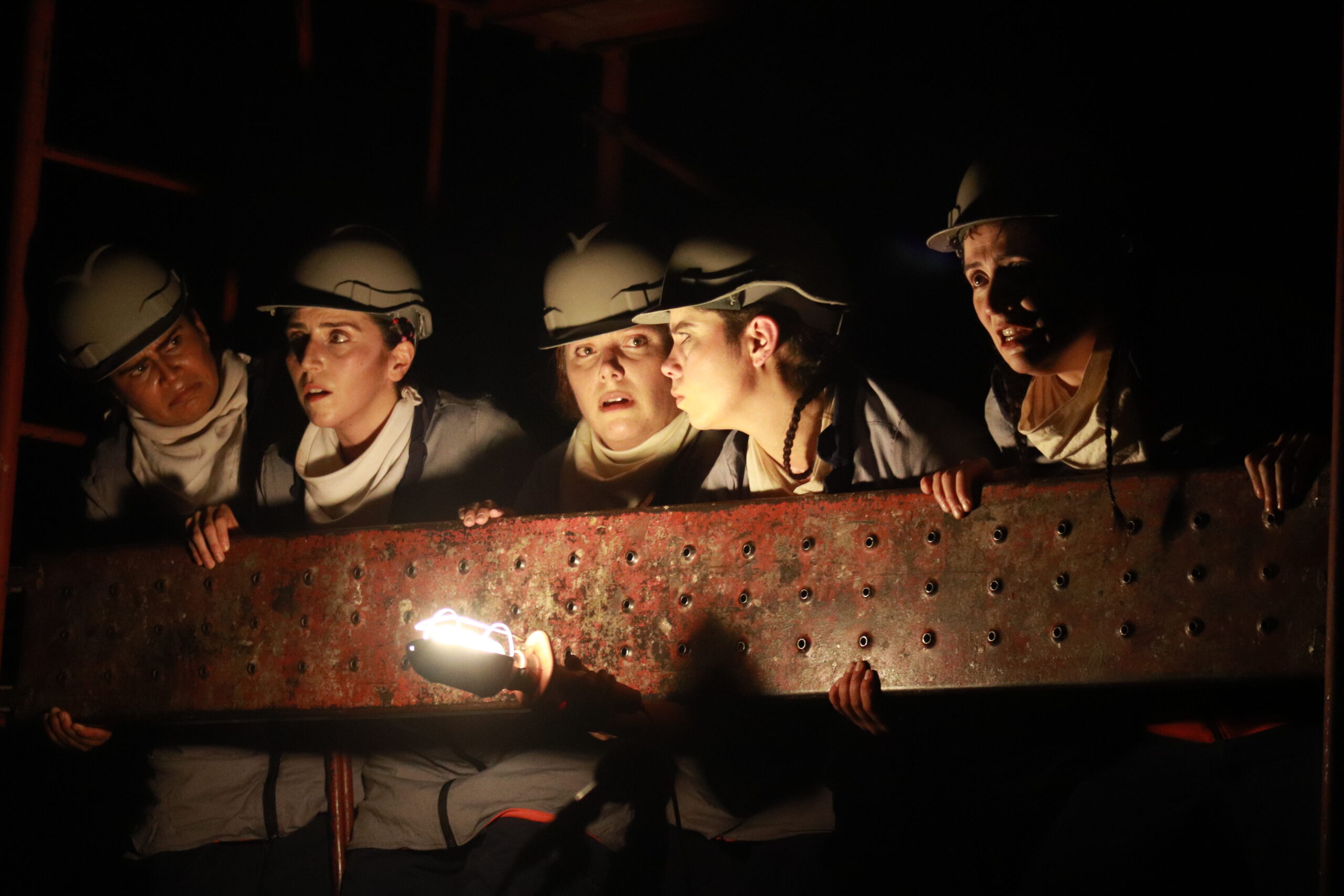
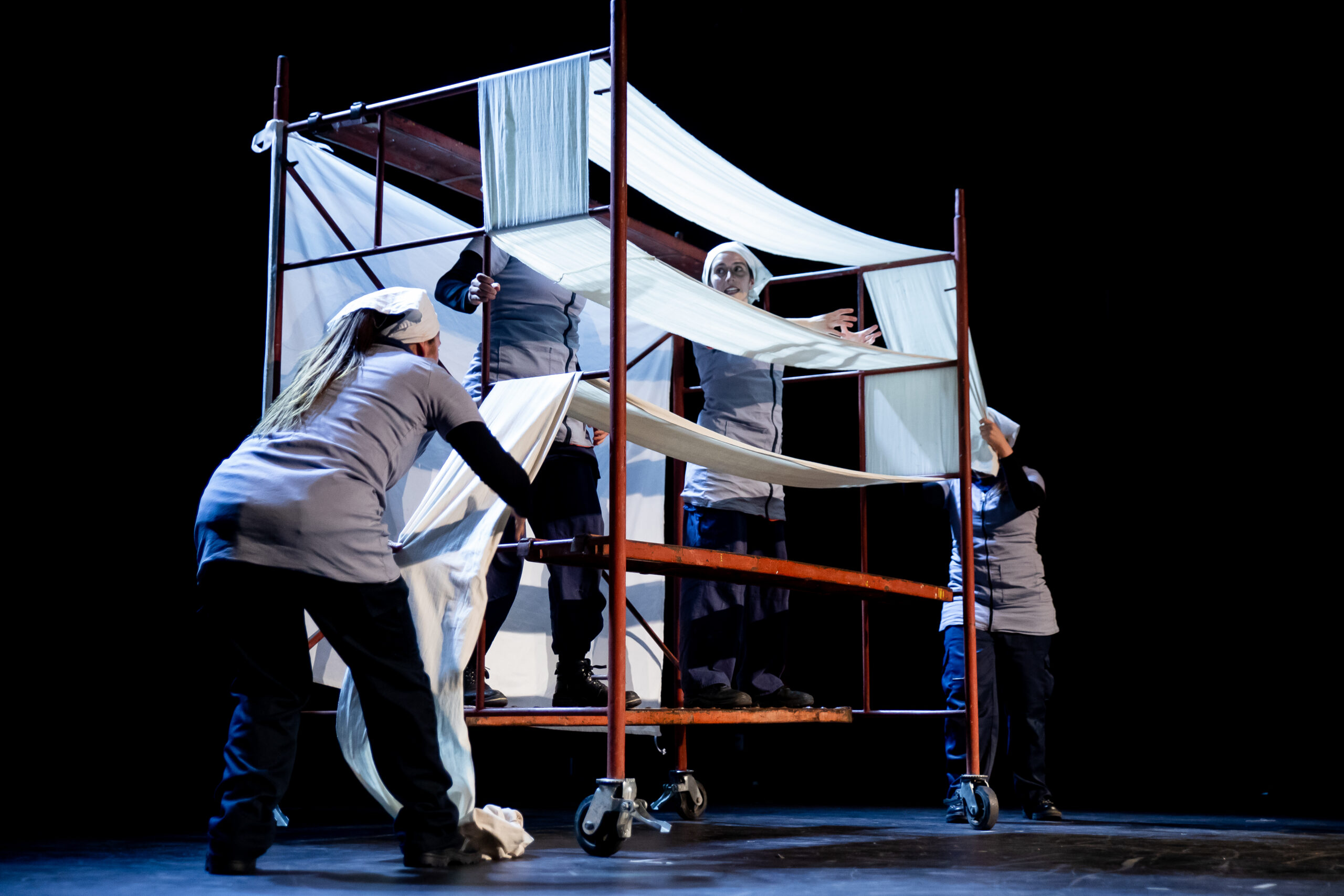
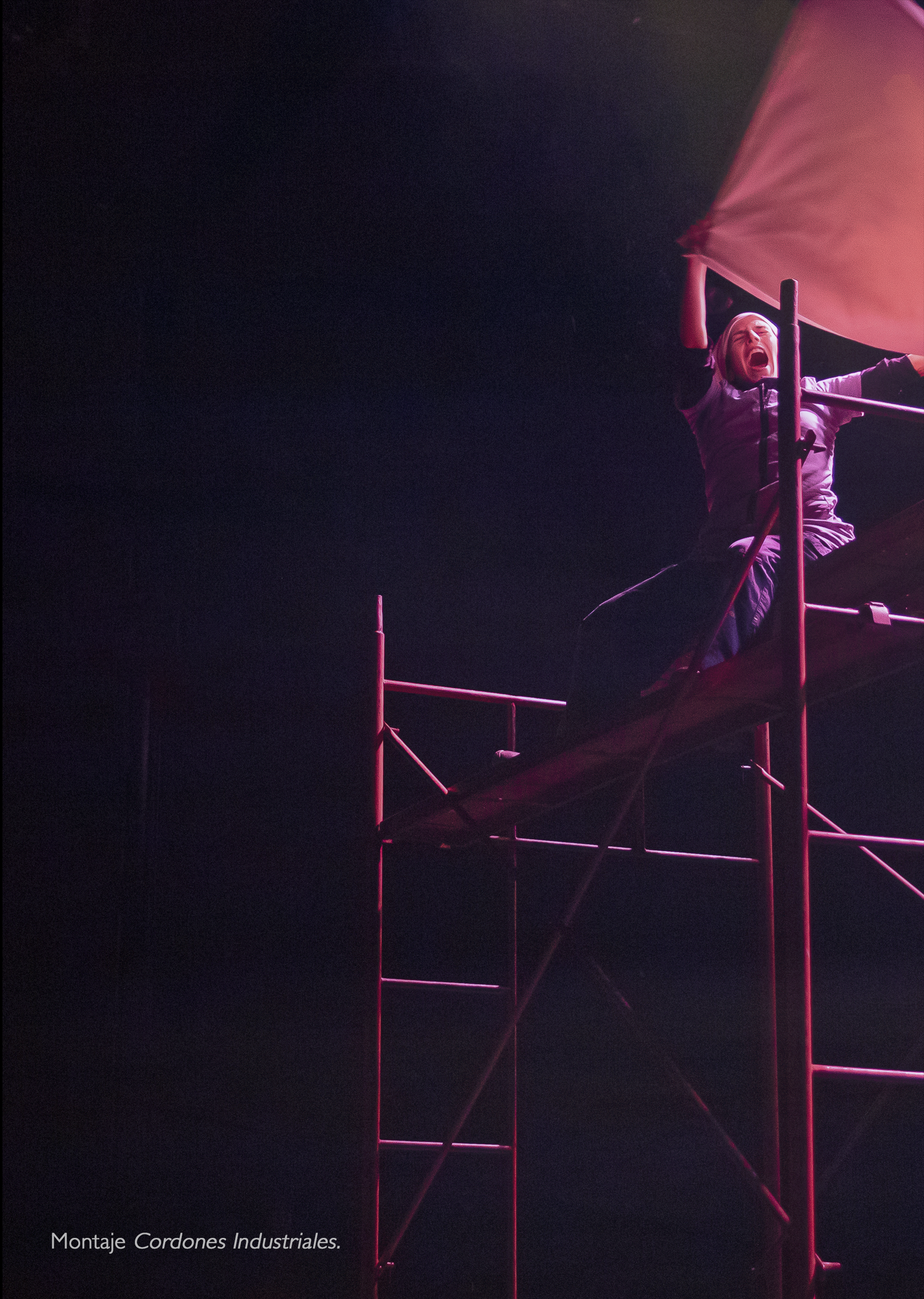
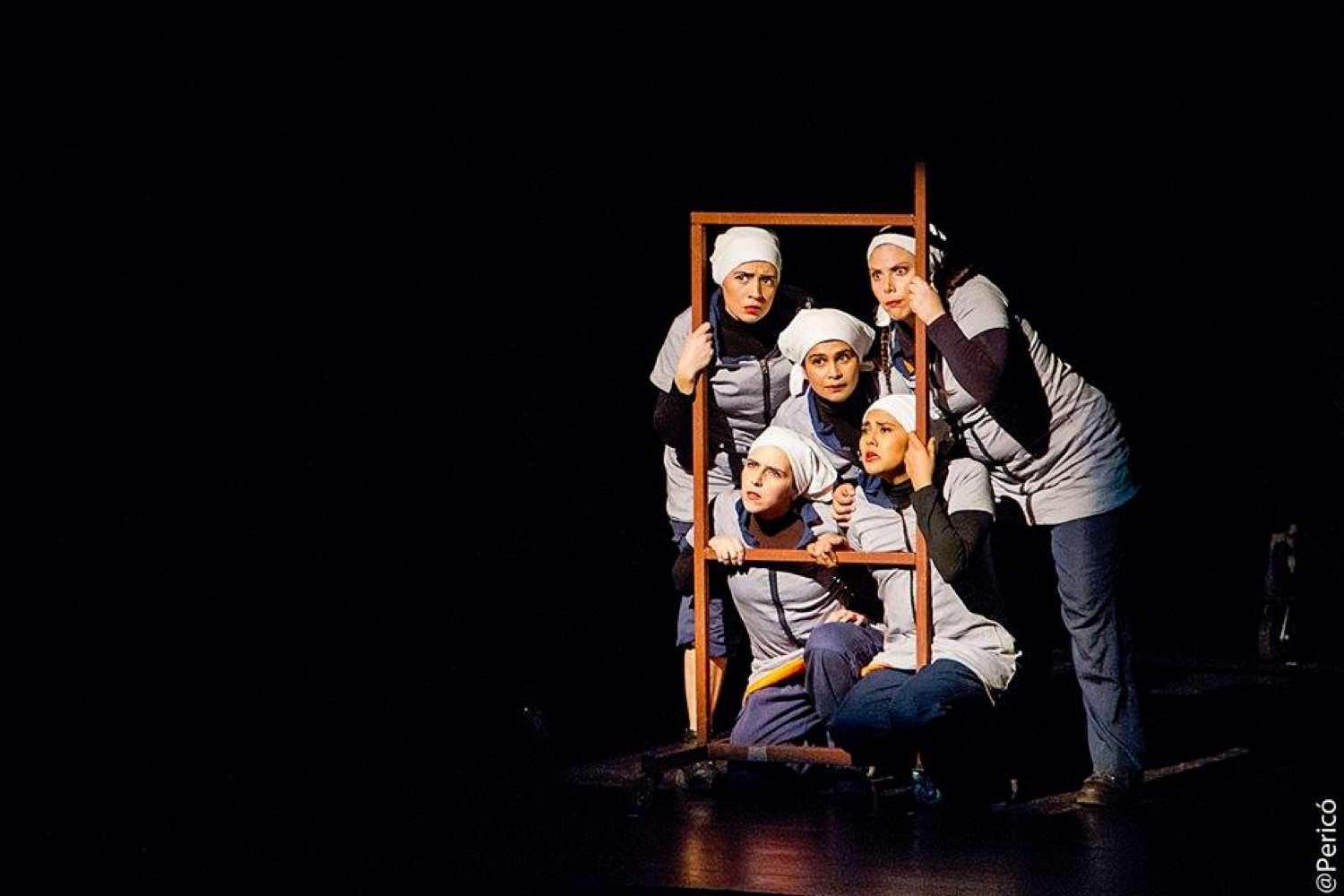
The focus is on five cleaning ladies – workers who labour under precarious conditions and without union support. Their voices bring to life the Cordones Industriales movement, which united thousands of people in Chile between 1972 and 1973 and marked a turning point in the country’s political history.
The production is based on comprehensive historical research by the Tarea Urgente collective. The team uses interviews with contemporary witnesses, private photographs and documents from the Chilean National Library to link personal narratives with historical analysis.
Under the direction of Valeria Yáñez, documentary theatre becomes political practice. For over 13 years, the collective has been working at the intersection of art, history and activism. They cooperate with important places of remembrance – such as the Estadio Nacional, the Museum of Memory and Human Rights and Villa Grimaldi – as well as with trade unions and social movements. During the social uprising (Estallido Social) in 2019, Tarea Urgente was present with performances in territorial assemblies and on the streets.
Now, for the first time, the play invites Berlin audiences to reflect on organisational strategies that have taken on new urgency in light of the global shift to the right.
In 1970, Salvador Allende became the world’s first democratically elected socialist president. This triggered massive resistance from the United States; US President Nixon warned of a ‘red sandwich’ in Latin America. The boycott against Allende’s government was massive, ranging from media manipulation to the artificial shutdown of factories.
In this climate of resistance, the Cordones Industriales emerged: workers occupied the factories and continued production on their own initiative. This process came to an abrupt end with the bloody military coup on 11 September 1973. Left-wing activists were murdered, abducted and tortured. Thousands of workers from the occupied factories were taken to the National Stadium, which became the largest prison camp in the country.
Director: Valeria Yáñez
Authors: Valeria Yáñez, Renata Puelma, Dephi Castellano, Constanza Leiva, Victoria Hernández.
Cast: Victoria Hernández, Loreto Vilches, Constanza Leiva, Dephi Castellano, Valeria Yáñez
Costumes: Dephi Castellano
Lighting design and technology: Rocío Linsambarth
Video and sound engineer: Gabriel de la Hoz
Production and surtitles: Renata Puelma
Project funded by the National Fund for Cultural Development and the Arts (Fondart) – International Circulation Programme, Second Call, Call for Proposals 2025 (Chile)
- 20.00 | Deutsche ErstaufführungGrüner Salon
